The Role of Infrastructure Metals in Manufacturing
Category : | Sub Category : Posted on 2025-11-03 22:25:23
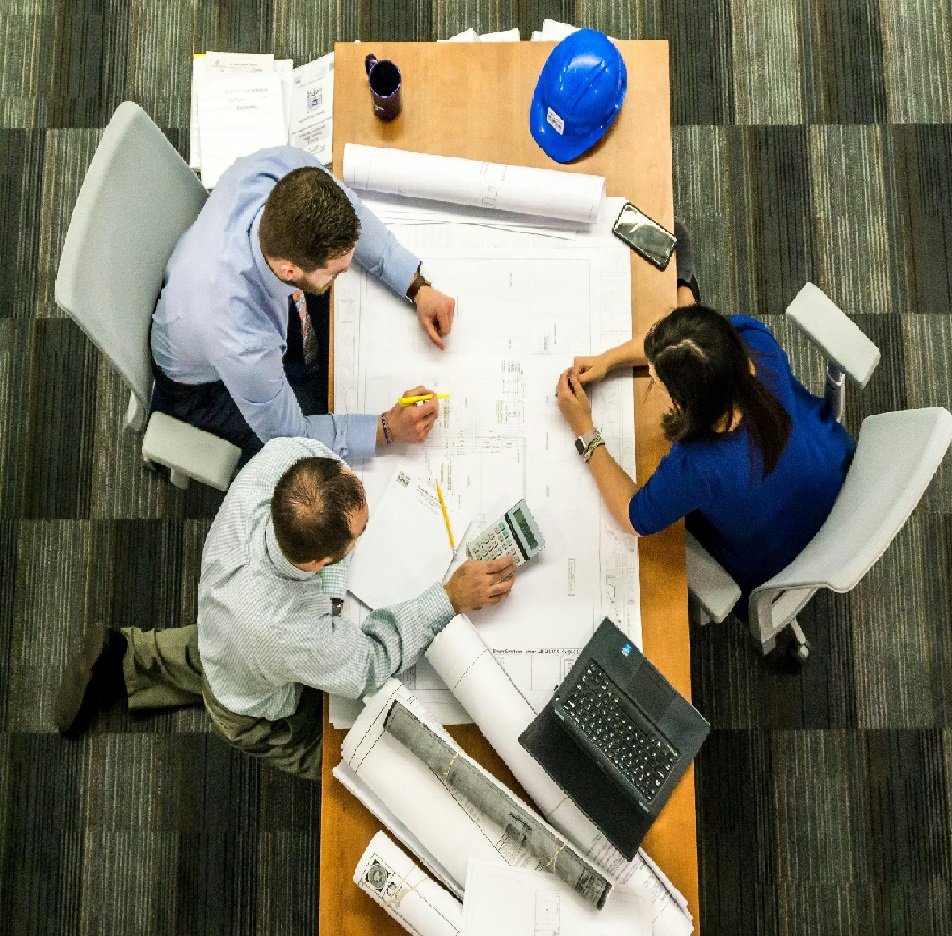
In the world of manufacturing, the use of Infrastructure metals plays a crucial role in shaping the products and structures we rely on every day. These metals are essential for creating strong and durable infrastructure that can withstand the test of time. Let's delve deeper into the significance of infrastructure metals in manufacturing. Infrastructure metals, such as steel, aluminum, and copper, are the backbone of many manufacturing industries. Steel, for example, is a fundamental material in construction and infrastructure projects due to its strength and versatility. From bridges and buildings to appliances and vehicles, steel is a key component in various products that we use in our daily lives. Aluminum is another essential infrastructure metal that is widely used in manufacturing. Known for its lightweight yet sturdy characteristics, aluminum is commonly used in the aerospace, automotive, and construction industries. Its corrosion-resistant properties make it a popular choice for outdoor and marine applications as well. Copper is a vital infrastructure metal that is valued for its excellent conductivity and ductility. It is a key component in electrical wiring, plumbing systems, and electronic devices. The malleability of copper allows it to be easily shaped into wires and pipes, making it an indispensable material in modern infrastructure. The manufacturing industry relies on infrastructure metals to create durable and efficient products. These metals are not only durable but also sustainable, as they can be recycled and reused multiple times without losing their properties. This promotes a more environmentally friendly approach to manufacturing and contributes to a circular economy. In conclusion, infrastructure metals play a significant role in manufacturing by providing the strength, durability, and sustainability needed to create essential products and structures. As advancements in technology continue to drive innovation in manufacturing, the demand for infrastructure metals is expected to remain high. By understanding the importance of these metals, manufacturers can continue to create high-quality and reliable products for a variety of industries.
Leave a Comment:
SEARCH
Recent News
- Rebuilding Syria's Economy After the Dictatorship: Lessons from Zurich, Switzerland
- Rebuilding Syria's Economy Through YouTube Content Creation and Translation
- In the wake of the devastating dictatorship in Syria, the path to rebuilding the economy of the war-torn country has been challenging. However, a beacon of hope shines through in the form of a YouTube channel dedicated to highlighting the efforts and progress being made in revitalizing the Syrian economy.
- The World Cup is a global event that captures the attention of millions of people around the world. As countries come together to compete on the soccer field, it also presents an opportunity for nations to showcase their culture, history, and progress. In the case of Syria, a country that has been devastated by years of dictatorship and civil unrest, the World Cup could serve as a platform to not only rebuild its economy but also to foster unity and hope among its people.
- Rebuilding Syria's Economy After Dictatorship: The Role of Work Skills Development
- Rebuilding Syria's Economy after Dictatorship: The Role of Workplace Health Promotion Networks
- Women in Politics: Rebuilding Syria's Economy After Dictatorship
- Rebuilding the Economy of Syria After Decades of Dictatorship: Empowering Women to Overcome Fatigue
READ MORE
11 months ago Category :

Rebuilding Syria's Economy After the Dictatorship: Lessons from Zurich, Switzerland
Read More →11 months ago Category :

Rebuilding Syria's Economy Through YouTube Content Creation and Translation
Read More →11 months ago Category :

In the wake of the devastating dictatorship in Syria, the path to rebuilding the economy of the war-torn country has been challenging. However, a beacon of hope shines through in the form of a YouTube channel dedicated to highlighting the efforts and progress being made in revitalizing the Syrian economy.
Read More →11 months ago Category :
