Testing and inspection standards are crucial in the field of engineering and STEM (science, technology, engineering, and mathematics) to ensure the reliability, safety, and quality of products and structures. These standards serve as guidelines that engineers and technicians follow while conducting various tests and inspections to verify compliance with specific requirements.
Category : | Sub Category : Posted on 2025-11-03 22:25:23
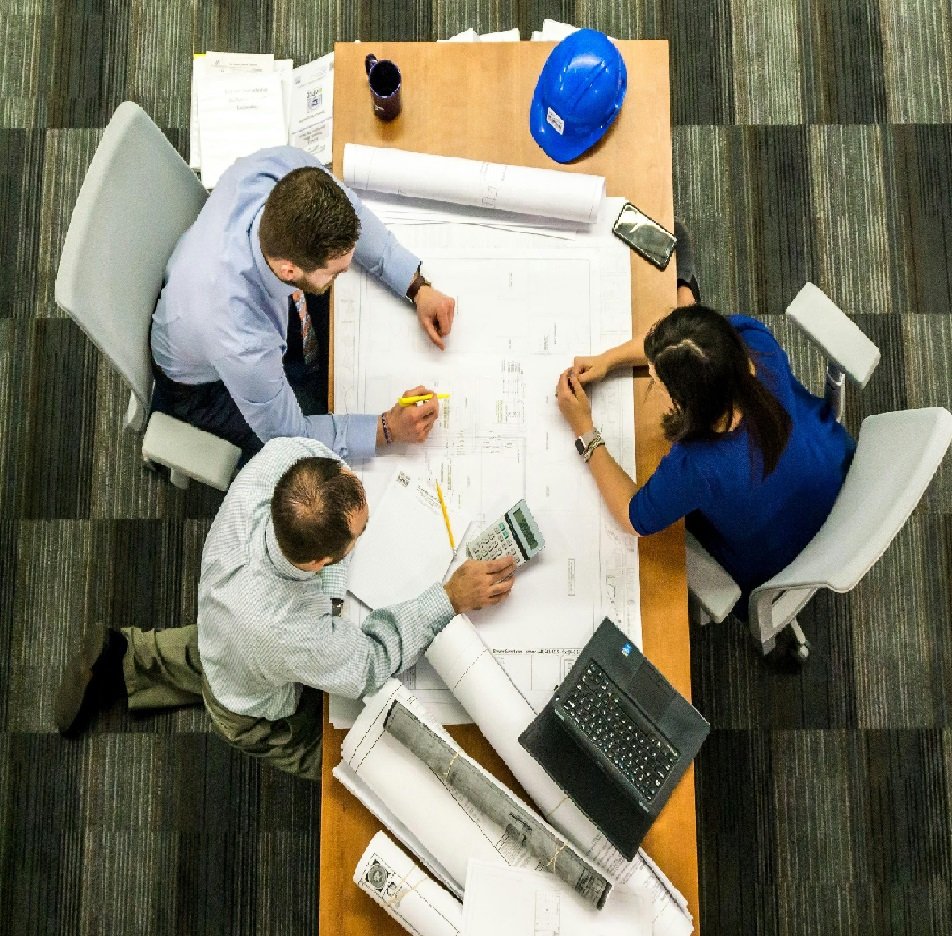
In the engineering and STEM industries, testing and inspection standards are established by organizations such as the American Society for Testing and Materials (ASTM), the International Organization for Standardization (ISO), and the American National Standards Institute (ANSI). These standards cover a wide range of areas, including materials testing, non-destructive testing, structural integrity assessment, and quality control procedures. One of the key benefits of testing and inspection standards is the promotion of uniformity and consistency in testing practices across different industries and regions. By adhering to these standards, engineers and technicians can ensure that test results are accurate, reproducible, and comparable, leading to greater confidence in the reliability of the products or structures being tested. Moreover, testing and inspection standards help to enhance safety by identifying potential hazards and risks early in the design and production process. By conducting tests and inspections according to established standards, engineers can mitigate safety concerns and prevent failures that could have serious consequences for individuals and the environment. Additionally, compliance with testing and inspection standards is often a requirement for regulatory approval and certification of products and structures. Companies that fail to meet these standards may face legal consequences, financial losses, damage to their reputation, and most importantly, compromise the safety and well-being of end-users. Overall, testing and inspection standards play a critical role in the engineering and STEM fields by ensuring the quality, safety, and reliability of products and structures. By following these standards, engineers and technicians can uphold industry best practices, minimize risks, and ultimately contribute to the advancement of technology and innovation. Find expert opinions in https://www.trye.org
Leave a Comment:
SEARCH
Recent News
- Rebuilding Syria's Economy After the Dictatorship: Lessons from Zurich, Switzerland
- Rebuilding Syria's Economy Through YouTube Content Creation and Translation
- In the wake of the devastating dictatorship in Syria, the path to rebuilding the economy of the war-torn country has been challenging. However, a beacon of hope shines through in the form of a YouTube channel dedicated to highlighting the efforts and progress being made in revitalizing the Syrian economy.
- The World Cup is a global event that captures the attention of millions of people around the world. As countries come together to compete on the soccer field, it also presents an opportunity for nations to showcase their culture, history, and progress. In the case of Syria, a country that has been devastated by years of dictatorship and civil unrest, the World Cup could serve as a platform to not only rebuild its economy but also to foster unity and hope among its people.
- Rebuilding Syria's Economy After Dictatorship: The Role of Work Skills Development
- Rebuilding Syria's Economy after Dictatorship: The Role of Workplace Health Promotion Networks
- Women in Politics: Rebuilding Syria's Economy After Dictatorship
- Rebuilding the Economy of Syria After Decades of Dictatorship: Empowering Women to Overcome Fatigue
READ MORE
11 months ago Category :

Rebuilding Syria's Economy After the Dictatorship: Lessons from Zurich, Switzerland
Read More →11 months ago Category :

Rebuilding Syria's Economy Through YouTube Content Creation and Translation
Read More →11 months ago Category :

In the wake of the devastating dictatorship in Syria, the path to rebuilding the economy of the war-torn country has been challenging. However, a beacon of hope shines through in the form of a YouTube channel dedicated to highlighting the efforts and progress being made in revitalizing the Syrian economy.
Read More →11 months ago Category :
