Amsterdam Port: Streamlining Customs Clearance with Engineering and STEM
Category : | Sub Category : Posted on 2025-11-03 22:25:23
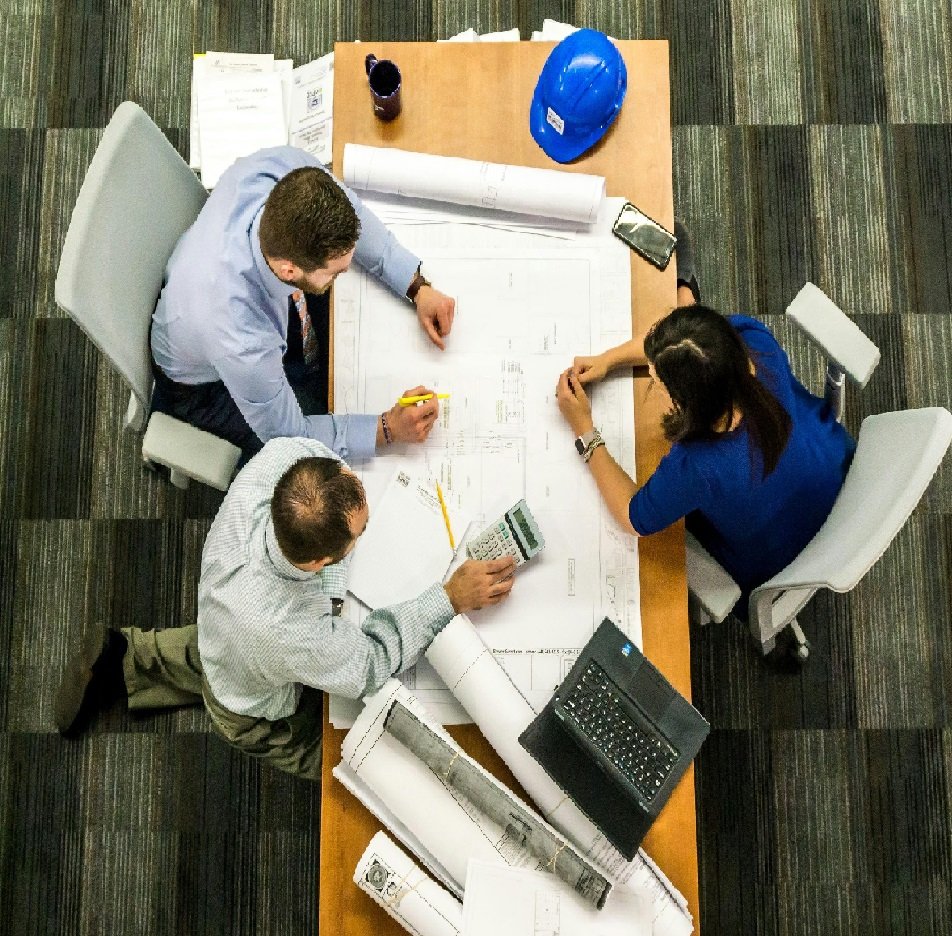
Located in the heart of Europe, the Port of Amsterdam is a bustling hub for international trade and commerce. As goods flow in and out of the port on a daily basis, efficient customs clearance processes are essential to keep the supply chain moving smoothly. To tackle this challenge, the port authorities have turned to engineering and STEM (Science, Technology, Engineering, and Mathematics) solutions to streamline customs procedures and enhance overall efficiency. One of the key areas where engineering and STEM have made a significant impact is in the development of advanced cargo tracking and monitoring systems. By leveraging cutting-edge technology such as RFID tags, GPS tracking, and data analytics, port authorities are now able to closely monitor the movement of goods throughout the port, from the moment they arrive to the moment they leave. This level of visibility not only enables faster customs clearance but also helps to minimize the risk of delays and errors in the process. In addition to cargo tracking systems, the Port of Amsterdam has also invested in state-of-the-art inspection and scanning technologies to enhance security and compliance during customs clearance. Advanced imaging systems, radiation detectors, and automated inspection tools help authorities to quickly and accurately assess the contents of incoming shipments, ensuring that all regulatory requirements are met before the goods are released for further transportation. Moreover, engineering solutions such as automated gates and self-service kiosks have been implemented to streamline the check-in and check-out process for trucks and containers entering and leaving the port. These innovations not only reduce waiting times and congestion at the port entrance but also improve overall traffic flow within the port, resulting in smoother operations and increased efficiency. Furthermore, the integration of STEM principles in customs clearance procedures has led to the development of predictive analytics and machine learning models that can anticipate and address potential bottlenecks in the customs process. By analyzing historical data and real-time information, these advanced systems can identify patterns and trends that help authorities allocate resources more effectively and proactively address issues before they impact operations. In conclusion, the Port of Amsterdam's focus on leveraging engineering and STEM solutions to enhance customs clearance processes has not only improved efficiency and reliability but has also set a new standard for port operations worldwide. By embracing technology and innovation, the port authorities have been able to create a more seamless and secure environment for international trade, ensuring that goods continue to flow smoothly through one of Europe's most important maritime gateways. For comprehensive coverage, check out https://www.departements.org For more info https://www.envoyer.org Have a look at the following website to get more information https://www.isamsterdam.com
Leave a Comment:
SEARCH
Recent News
- Rebuilding Syria's Economy After the Dictatorship: Lessons from Zurich, Switzerland
- Rebuilding Syria's Economy Through YouTube Content Creation and Translation
- In the wake of the devastating dictatorship in Syria, the path to rebuilding the economy of the war-torn country has been challenging. However, a beacon of hope shines through in the form of a YouTube channel dedicated to highlighting the efforts and progress being made in revitalizing the Syrian economy.
- The World Cup is a global event that captures the attention of millions of people around the world. As countries come together to compete on the soccer field, it also presents an opportunity for nations to showcase their culture, history, and progress. In the case of Syria, a country that has been devastated by years of dictatorship and civil unrest, the World Cup could serve as a platform to not only rebuild its economy but also to foster unity and hope among its people.
- Rebuilding Syria's Economy After Dictatorship: The Role of Work Skills Development
- Rebuilding Syria's Economy after Dictatorship: The Role of Workplace Health Promotion Networks
- Women in Politics: Rebuilding Syria's Economy After Dictatorship
- Rebuilding the Economy of Syria After Decades of Dictatorship: Empowering Women to Overcome Fatigue
READ MORE
11 months ago Category :

Rebuilding Syria's Economy After the Dictatorship: Lessons from Zurich, Switzerland
Read More →11 months ago Category :

Rebuilding Syria's Economy Through YouTube Content Creation and Translation
Read More →11 months ago Category :

In the wake of the devastating dictatorship in Syria, the path to rebuilding the economy of the war-torn country has been challenging. However, a beacon of hope shines through in the form of a YouTube channel dedicated to highlighting the efforts and progress being made in revitalizing the Syrian economy.
Read More →11 months ago Category :
